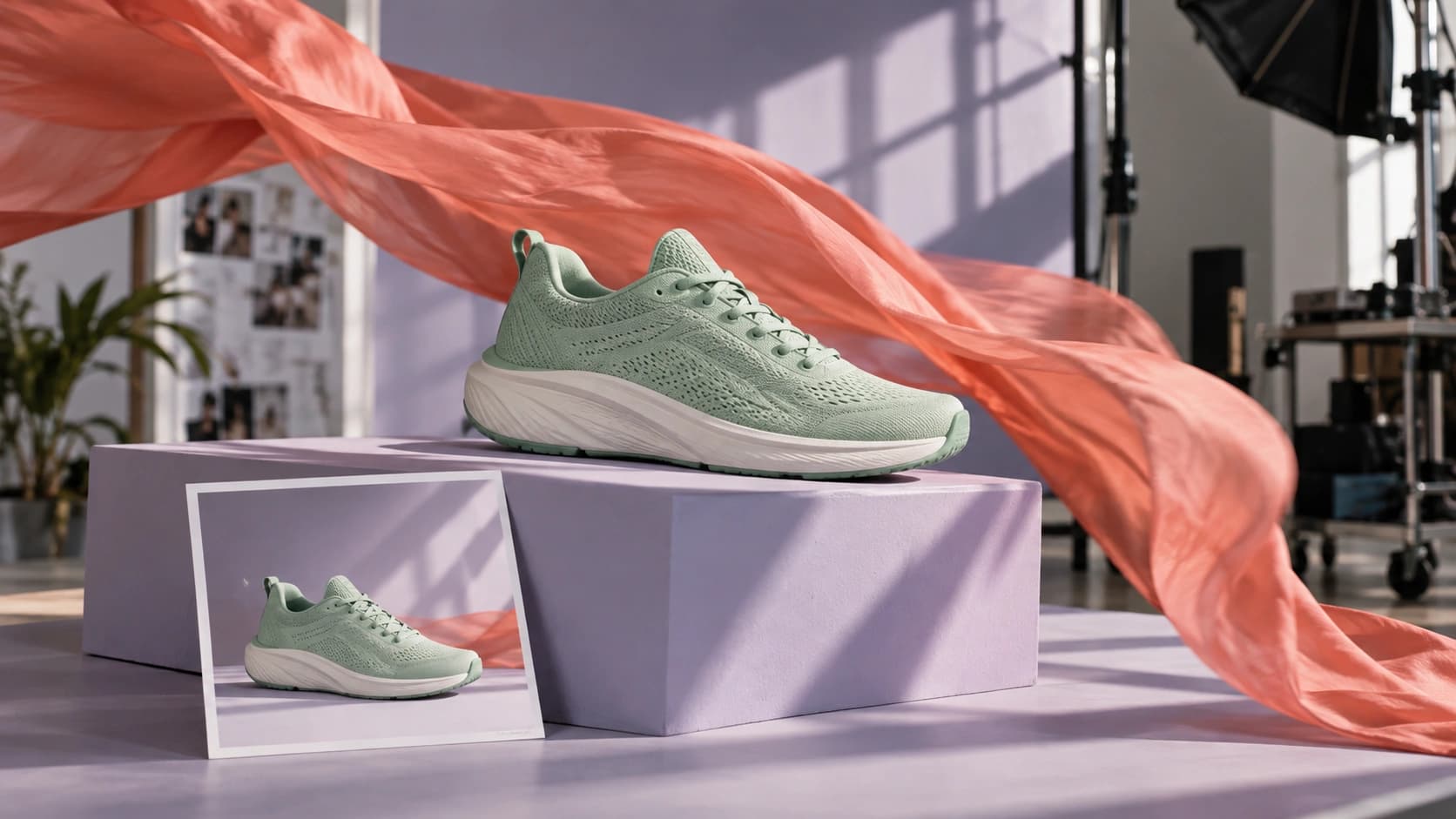
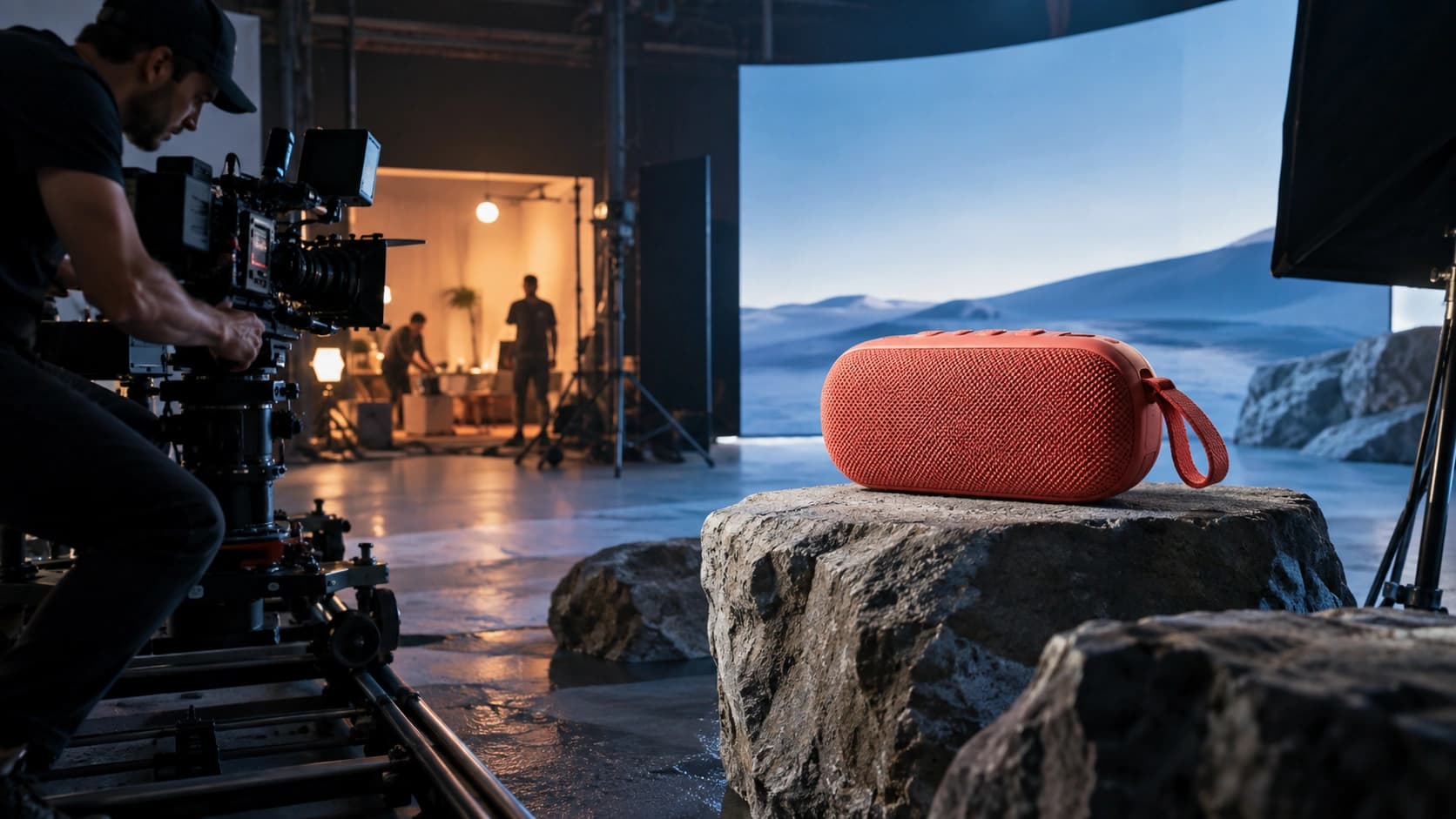
The AI Ad Problem Nobody Talks About
Every brand with a Midjourney subscription now thinks they're running AI ads. But there's a massive difference between generating a visual and engineering an advertisement.
The gap isn't in the technology — it's in the thinking. AI tools can produce stunning images in seconds, but stunning isn't the same as converting. A beautiful visual that doesn't stop the scroll, communicate a value proposition, and drive action is just expensive wallpaper.
What Makes an AI Ad Actually Work
The brands seeing real results from AI advertising aren't just feeding prompts into generators. They're applying the same creative strategy frameworks that have always separated great advertising from noise — they're just using AI as the production tool.
Here's what that looks like in practice:
- Audience-first prompting — Starting with the target customer's pain points, not aesthetic preferences
- Platform-native composition — Designing for where the ad will live, not for a portfolio
- Conversion architecture — Building the visual around a clear action, not around visual impressiveness
- Brand consistency — Maintaining visual identity across AI-generated outputs
The Trust Gap
Consumers are getting better at spotting AI content. Not because the quality is poor — it's often technically superior to traditional photography — but because the feeling is different.
Generic AI ads share a certain uncanny aesthetic: over-saturated colors, impossibly perfect lighting, environments that feel too clean. These visual tells erode trust, especially in D2C categories where authenticity drives purchase decisions.
The best AI ads don't look like AI ads. They look like ads that happen to be impossible to produce at that quality without AI.
How We Approach It at Mobisa
Our AI advertising process starts with strategy, not with a prompt box. Every visual we produce goes through the same creative brief process as our traditional work:
- Define the conversion goal
- Map the audience's visual language
- Design the composition and narrative
- Use AI as the production layer
- Test, iterate, and optimize
The AI is step 4 — not step 1. That's the difference between generating content and creating advertising.
The Bottom Line
AI ads work when they're built on creative strategy. They fail when they're built on AI enthusiasm.
The brands that will win in this space aren't the ones with the best AI tools. They're the ones who understand that the tool is only as good as the thinking behind it.