From Packshot to Campaign Visual: Building a Product Image System
Show how one accurate packshot can become a family of campaign assets with consistent art direction. This matters because brands rarely need “more content” in the abstract; they need creative that makes a product easier to notice, understand and trust.
AI product imagery is most valuable when it helps brands create more useful visual contexts without losing product accuracy or visual consistency.
The short version

If you are working on product campaign visuals, start with one buyer problem, one clear creative idea and one decision you want the viewer to make. Build the asset around that job, then create variants only after the core idea is clear. The most scalable systems separate concepts from executions: a concept is the reason the ad should work; an execution is the way that concept is expressed.
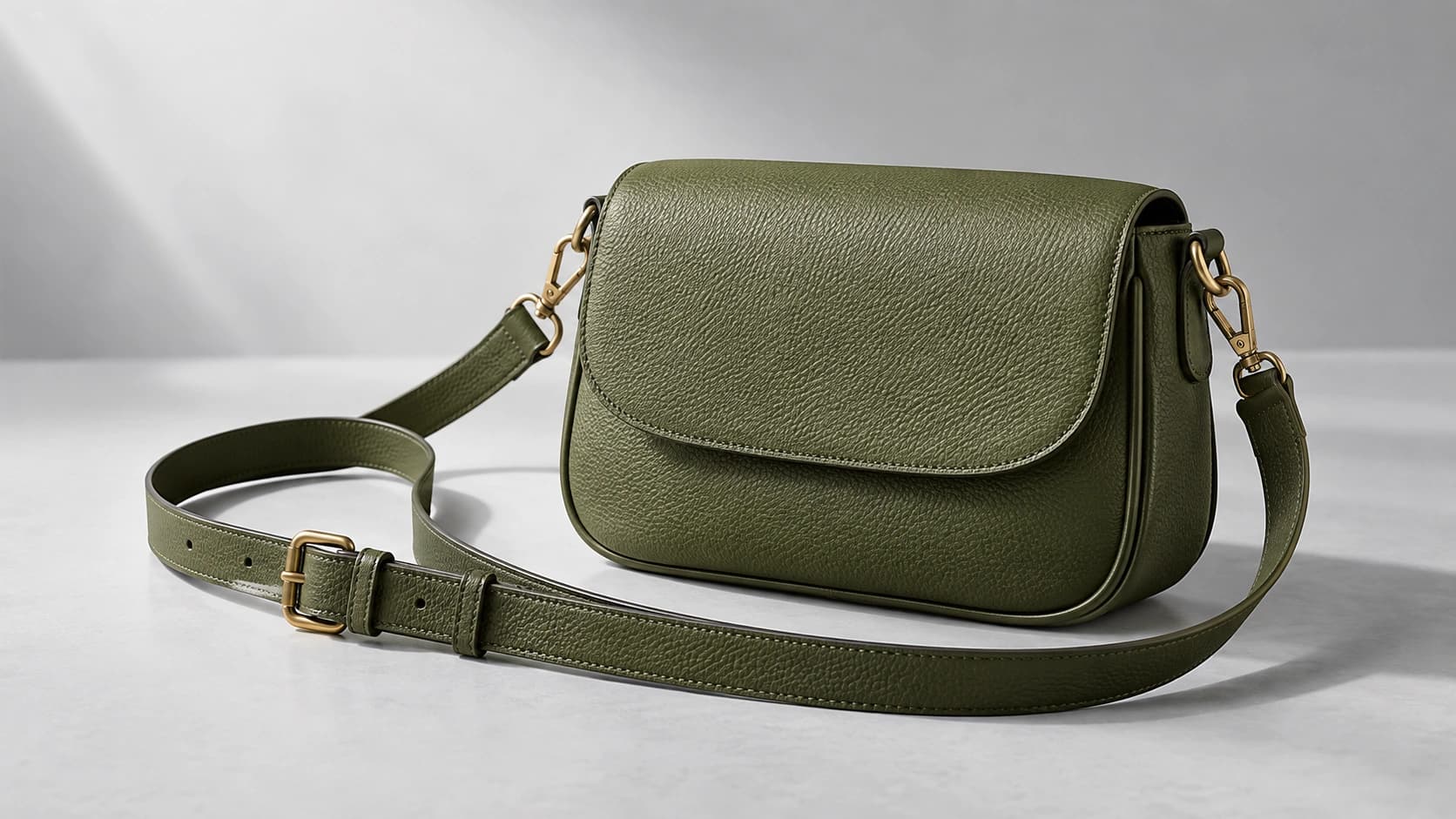
Lock the packshot

Lock the packshot requires a reference standard. Keep the product shape, packaging, label, material and proportions consistent before experimenting with environment, lighting or styling. Make the product visible early enough that the viewer does not have to guess what is being sold. Use concrete language, visible proof and real use context where possible. If a visual or line is only there because it looks trendy, remove it unless it helps attention, understanding or trust.
Create an art direction board

Create an art direction board requires a reference standard. Keep the product shape, packaging, label, material and proportions consistent before experimenting with environment, lighting or styling. Make the product visible early enough that the viewer does not have to guess what is being sold. Use concrete language, visible proof and real use context where possible. If a visual or line is only there because it looks trendy, remove it unless it helps attention, understanding or trust.
Build scene families

Build scene families requires a reference standard. Keep the product shape, packaging, label, material and proportions consistent before experimenting with environment, lighting or styling. Make the product visible early enough that the viewer does not have to guess what is being sold. Use concrete language, visible proof and real use context where possible. If a visual or line is only there because it looks trendy, remove it unless it helps attention, understanding or trust.
Maintain brand consistency
Maintain brand consistency requires a reference standard. Keep the product shape, packaging, label, material and proportions consistent before experimenting with environment, lighting or styling. Make the product visible early enough that the viewer does not have to guess what is being sold. Use concrete language, visible proof and real use context where possible. If a visual or line is only there because it looks trendy, remove it unless it helps attention, understanding or trust.
A practical framework
-
Define the buyer situation. Write the exact problem, desire, objection or use case this piece of creative is meant to address.
-
Choose one angle. Do not force three unrelated messages into one short ad or article example.
-
Design the opening. Decide what the viewer sees and understands in the first moment, not only what the voiceover says.
-
Add proof. Use demonstration, detail, process, comparison, social proof or product truth rather than empty superlatives.
-
Create controlled variants. Change hooks, first frames, pacing or format while preserving the core idea so the team can learn from results.
Common mistakes
-
Starting with a generic claim instead of a recognizable buyer situation.
-
Hiding the product for too long in the name of storytelling.
-
Creating many visual variations before validating the underlying concept.
-
Using AI output without checking product details, claims, text, anatomy, reflections or brand consistency.
-
Judging creative only by whether it looks premium instead of whether it communicates.
What to review before publishing or launching
Ask a simple sequence of questions: Is the audience clear? Is the product clear? Is the main idea understandable without extra explanation? Is every claim supportable? Does the visual match the landing page or offer? Is the asset usable on mobile? Finally, decide what you want to learn from the creative. A piece can be beautifully produced and still teach the team nothing if too many variables changed at once.
Where AI helps — and where human judgment still matters
AI can accelerate ideation, storyboarding, visual exploration, versioning and some parts of production. It does not remove the need for taste, product accuracy, editing, brand judgment or a clear commercial objective. The strongest workflow is usually human-directed: use AI to expand possibilities, then apply normal creative standards to selection, compositing, copy, sound, claims and final quality control.
FAQ
Is product campaign visuals only useful for large brands?
No. The advantage is often greater for smaller teams because a modular creative system can reduce production friction. The important part is to scale useful ideas, not simply asset count.
Should every variation be completely different?
No. A useful testing system includes both new concepts and controlled variants of promising concepts. If everything changes at once, it becomes difficult to understand why performance moved.
How polished should performance creative be?
Polish should match the format and audience. A creator-style ad may need to feel native and conversational, while a product hero visual may need precise craft. Clarity and credibility matter more than making every asset look expensive.
Final takeaway
The goal with product campaign visuals is not maximum output. It is a repeatable way to turn customer insight into creative, learn from real response and produce the next round with more confidence. That is the difference between a pile of content and a creative system.
Working on a brand? Mobisa helps teams turn product ideas into AI-assisted ads, UGC-style creative, product visuals and video assets.